
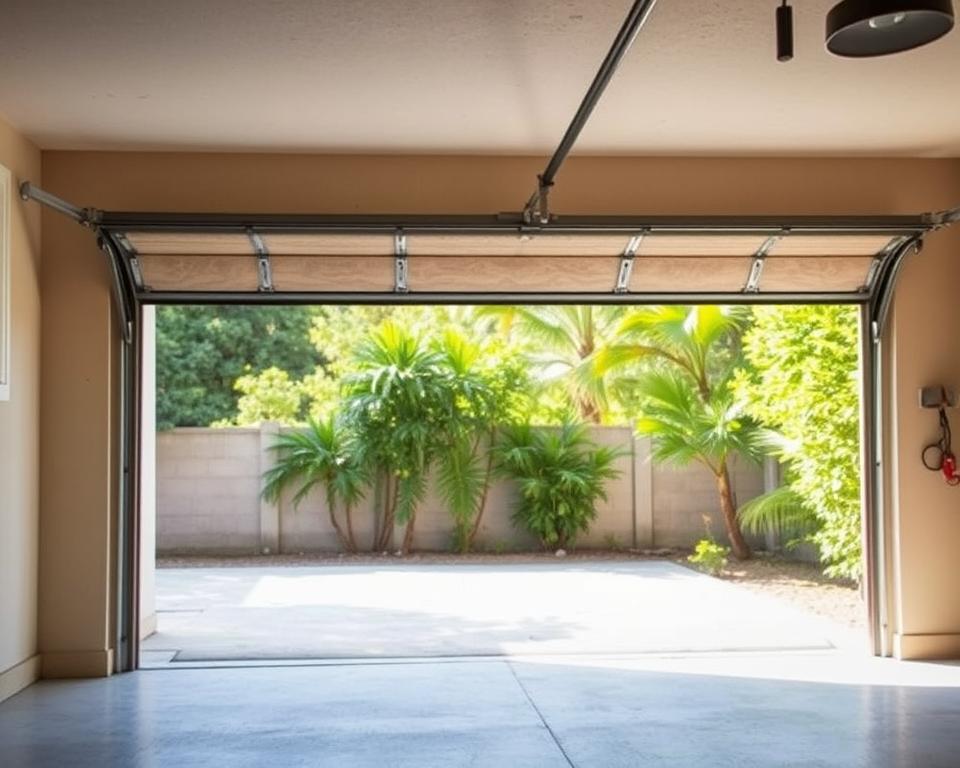
Will Garage Door Insulation Help Cool My Garage in Florida
Yes, garage door insulation can help keep the whole garage cooler in summer and warmer in winter. It can also help reduce home energy costs.
Florida’s heat can make garages very hot. If you’re tired of the heat, you’re not alone. We explore how garage door insulation can be a game-changer.
Insulation reduces heat transfer, keeping your garage cooler. This is key in hot climates where the sun heats up your garage fast.
The benefits of garage door insulation go beyond cooling. It also boosts energy efficiency, saving you money over time. As we dive deeper, you’ll see why insulating your garage is smart for Florida homeowners.
Blue Steel Garage Door Services, located in Pinellas Park, helped me research this topic.
Understanding Florida’s Climate and Its Impact on Garages
Florida’s subtropical climate brings unique challenges for garage temperature control. High temperatures and humidity levels are common all year. Without insulation, garages can get too hot, damaging items stored inside.

Florida’s Extreme Heat and Humidity Challenges
Florida’s climate is hot and humid, with long summers and mild winters. This mix of heat and moisture is tough for garages. It can cause materials to break down and lead to moisture problems.
The summer in Florida can be very hot, with temperatures often over 90°F (32°C). Humidity is usually above 60%. Uninsulated garages can feel like ovens, harming vehicles, tools, and other items.
How Uninsulated Garages Become Dangerous Heat Traps
Garages in Florida without insulation can trap heat. They get hot during the day and stay warm at night. This makes the garage uncomfortable and can damage sensitive items.
Insulation is key to keeping garages cool. Without it, heat enters through the door and walls. The roof also absorbs sunlight, making the garage interior much hotter than outside. This creates a dangerous and uncomfortable space for stored items and vehicles.
The Science Behind Garage Door Insulation and Cooling
In hot places like Florida, garage door insulation is key. It stops heat from getting in by reducing heat flow. This keeps the garage cool, which is vital in Florida’s heat and humidity.

How Insulation Blocks Heat Transfer in Hot Climates
In hot areas, heat moves mainly through conduction and radiation. Garage door insulation materials help fight this. For example, reflective foil insulation sends radiant heat back out. Foam board insulation cuts down on conductive heat transfer because it has low thermal conductivity.
Knowing how insulation materials work is key to picking the right one for your garage. The right material can greatly affect your garage’s temperature and energy use.
R-Values and Their Importance for Florida Homeowners
The R-value shows how well insulation blocks heat. The higher the R-value, the better it insulates. For Florida folks, picking the right R-value insulation is essential.
When you’re figuring out how to install garage door insulation, choose materials with the right R-value. This keeps your garage cool and saves energy, even when it’s hottest.
Benefits of Garage Door Insulation in Florida Homes
In Florida’s hot climate, insulating your garage door can change your life. It makes your garage more than just a place for cars and tools. It becomes a comfortable space.
Temperature Regulation and Cooling Effects
Insulating your garage door helps control the temperature. Without insulation, garages in Florida can get very hot. This heat can spread to your home.
Using the best garage door insulation stops this heat. Your garage stays cooler, and your AC works less hard. This saves you money on cooling costs.
Energy Efficiency and Possible Savings on AC Bills
Insulating your garage door saves energy. It keeps your garage cooler, which means your home stays cooler too. This reduces the work your AC does.
This energy saving can lower your AC bills. It’s a smart choice for Florida homeowners. Plus, it helps the environment by using less energy.
Protection for Heat-Sensitive Items and Vehicles
Insulation also protects your garage items from heat damage. Things like paint cans and electronics can get ruined in the heat. A cooler garage keeps them safe.
For car owners, an insulated garage is a big plus. It keeps your car cooler on hot days. This helps keep your car’s interior and exterior in better shape.
Choosing the right insulation can be affordable. You can even do it yourself with DIY garage door insulation. The goal is to keep your garage cool and your home energy-efficient.
Best Garage Door Insulation Options for Florida’s Tropical Climate
In Florida’s tropical climate, garage door insulation is essential. It keeps your garage cool and comfortable. The state’s extreme heat and humidity make the right insulation material key for temperature and energy efficiency.
Reflective Foil Insulation for Maximum Heat Reflection
Reflective foil insulation is a top pick for Florida homeowners. It reflects radiant heat away from your garage, keeping it cooler. It’s very effective in hot climates like Florida’s, where the sun can quickly heat up your garage.
“Reflective insulation can reduce heat gain by up to 90%.”
Moisture-Resistant Foam Board Options
Moisture-resistant foam board insulation is good for Florida’s humid climate. It’s designed to withstand moisture, perfect for garages that get damp. Foam board insulation has a high R-value per inch, keeping your garage cool and energy-efficient. Look for products with a high moisture resistance rating.
Fiberglass Batt Insulation: Pros and Cons in Humid Environments
Fiberglass batt insulation is a popular choice. It’s affordable and easy to install. But, in humid environments like Florida, it has some downsides. Fiberglass batt insulation can absorb moisture, which may reduce its effectiveness and lead to mold. Yet, with a vapor barrier, it can work well.
Pre-Made Garage Door Insulation Kits for Florida Homes
Pre-made garage door insulation kits are great for those who want an easy installation. These kits include everything you need, like insulation panels and hardware. They’re designed to be easy to install, perfect for DIY fans. Make sure the kit is made for garage doors and suitable for Florida’s climate.
DIY Garage Door Insulation: Step-by-Step Guide for Florida Homeowners
Insulating your garage door is a DIY project you can do yourself. It’s great for Florida homeowners, keeping your garage cool in the summer.
Materials and Tools You’ll Need
To start your DIY garage door insulation project, you’ll need some materials and tools. You’ll need insulation panels, a measuring tape, a utility knife or saw, adhesive or double-sided tape, and a ladder. Make sure the insulation is good for Florida’s humid weather.
Measuring and Preparing Your Garage Door
Getting the right measurements is key for a successful DIY garage door insulation project. Measure your garage door’s width and height. Also, note any windows or hardware. Clean the door well to help the insulation stick.
Installation Process with Florida Climate Considerations
When insulating your garage door in Florida, think about the humidity and heat. Start by cutting your insulation to fit with a utility knife or saw. Use adhesive or double-sided tape to stick it to the door. Start from the bottom to avoid moisture issues.
To protect against Florida’s humidity, add a moisture barrier over your insulation. This step helps keep your insulation in good shape longer.
Sealing Gaps and Preventing Moisture Intrusion
To make your garage door insulation work better, seal any gaps around the door. Use weatherstripping and consider a garage door threshold seal at the bottom. These steps help keep your garage cool and dry.
By following this guide on how to install garage door insulation, you can make your garage cooler and save on energy. Check your insulation often for damage and fix it to keep it working well.
Professional vs. DIY Garage Door Insulation in Florida
Homeowners in Florida often wonder if they should hire pros or do it themselves for garage door insulation. Both paths have their pluses and minuses. We’ll dive into these to guide you in choosing wisely.
Cost Comparison for Florida Installation Services
The price for insulating your garage door can differ a lot, depending on if you hire someone or do it yourself. Pros usually charge between $200 to $1,000, based on the materials and job complexity. DIY kits, on the other hand, can cost between $50 to $300.
While DIY might seem cheaper upfront, think about the long-term savings and benefits of hiring pros. They ensure the insulation is done right, which can lead to more energy savings and a cooler garage over time.
Key cost factors to consider include:– Materials and labor costs for professional installation
– Energy savings with proper insulation
– Long-term durability of insulation materials
Time and Skill Requirements in Hot Weather
Insulating a garage door in Florida’s heat can be tough, even for the experienced. Pros have the skills and tools to do the job well, even in the hottest weather. They also make sure the insulation fits and seals right, preventing moisture and heat leaks.
If you’re doing it yourself, remember it takes a lot of time and effort. Insulating a garage door can be a big job, even if you’re handy.
Finding Qualified Insulation Professionals in Florida
If you choose to hire pros for your garage door insulation, finding the right ones is key. Look for companies that focus on garage door insulation and have experience in Florida’s climate.
Here are some tips for finding the best pros:
– Check online reviews and ratings
– Ask friends, family, or neighbors for recommendations
– Make sure they’re licensed and certified
– Get quotes from several contractors
Choosing the right pros ensures your garage door insulation is done correctly. This means a cooler, more energy-efficient garage for you.
Additional Cooling Strategies to Complement Your Insulated Garage Door
Adding insulation to your garage door is a big step towards cooling it down. But, there are more ways to keep your garage cool. In Florida’s hot weather, it’s key to improve ventilation.
We can do this by putting in vents or whole-house fans. These help move air and cut down on heat.
Using fans is another smart move to cool your garage. Ceiling or floor fans can make the air feel cooler. When picking the right insulation, think about how your garage’s design affects the temperature too.
Improving your garage door’s design can also help a lot. Look into getting a door with built-in insulation or one that’s more energy-efficient. By using insulation and these other cooling methods, we can make our garage cooler and more comfy. This protects our cars and stuff from Florida’s intense heat.