Coastal Style and Lowcountry Design: Building Homes That Belong to the Coast
Coastal homes have a bad habit of being misunderstood.
Some lean too hard into theme, piling on nautical clichés until the house feels more like a set piece than a place to live. Others swing the opposite direction, chasing modern trends that look sharp in photos but feel strangely disconnected from their surroundings.
The best coastal homes, whether in Florida or the Carolinas, understand a quieter truth. They are not designed to impress the ocean. They are designed to live alongside it.
That is where coastal style and Lowcountry design quietly intersect.
Coastal Style Is a Philosophy, Not a Look
True coastal design is less about colors and more about restraint.
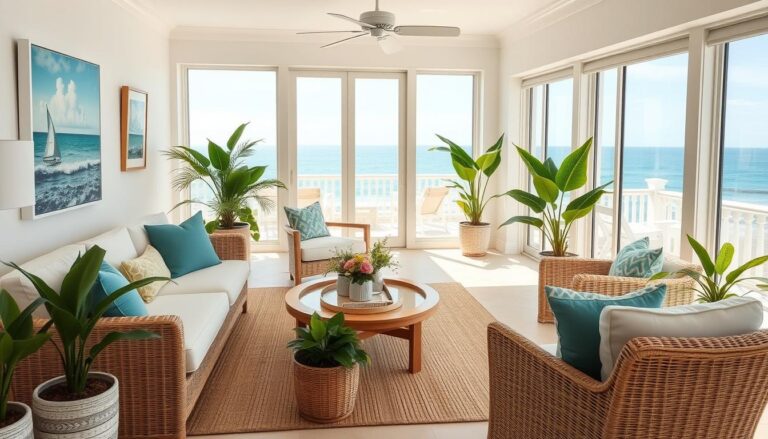
In Florida, especially along the Gulf Coast, the most successful homes are the ones that acknowledge light, air, and climate before aesthetics. They breathe. They manage heat and humidity. They blur the line between indoor and outdoor living without forcing the issue.
Lowcountry design operates on the same principles. The palette may shift slightly. The rooflines may differ. But the philosophy is identical.
Build for the environment first. Style follows naturally.
Light, Air, and the Importance of Flow
Both Florida coastal homes and Lowcountry homes treat light as a structural element.
Windows are placed with intention, not symmetry alone. Ceiling heights encourage air movement. Floor plans avoid unnecessary walls that trap heat and interrupt circulation.
This is why well-designed coastal homes often feel calm even on the hottest days. Nothing is fighting the climate. Everything works with it.
In the Lowcountry, this approach evolved out of necessity long before air conditioning existed. Wide porches, elevated foundations, and thoughtful orientation were survival tools. Florida coastal design, particularly in historic Gulf communities, tells the same story.
Different accents. Same lesson.
Materials That Age, Not Just Perform
Coastal environments are unforgiving. Salt air, moisture, sun exposure, and storms reveal shortcuts quickly.
Lowcountry builders learned long ago to favor materials that weather gracefully rather than perfectly. Wood that gains character. Stone that softens with time. Finishes that accept wear as part of the story, not a flaw.
Florida homeowners are increasingly rediscovering this mindset. Homes that try too hard to look pristine often feel tired fastest. Homes built with honest materials tend to age into themselves.
Durability is not the enemy of beauty. It is often the reason beauty lasts.
Indoor and Outdoor Living Without Theater
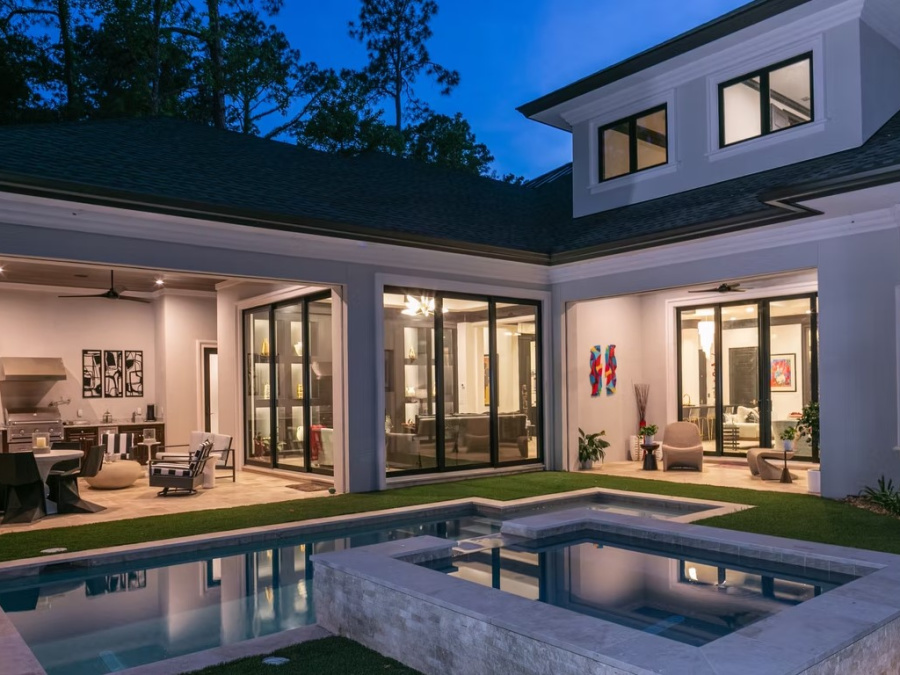
Florida real estate listings love to talk about indoor outdoor living. Sometimes they mean it. Sometimes they just added sliding doors.
Lowcountry design approaches this connection with more humility. Porches are usable, not ornamental. Outdoor spaces feel like extensions of daily life rather than amenities to be staged.
This is where the two regions meet again. The best coastal homes do not perform leisure. They support it.
A shaded place to sit. A natural transition from kitchen to outside. Spaces that invite lingering rather than impressing.
Why This Matters for Buyers and Builders Alike
Buyers often respond emotionally to coastal homes without knowing why. They talk about feeling relaxed, grounded, or comfortable almost immediately.
Builders and designers know better. That feeling is engineered. In regions shaped by salt air and heat, many homeowners seek out a seasoned custom home builder Hilton Head professionals trust for applying these coastal principles with precision and restraint.
Homes that respect coastal principles tend to sell better, live better, and age better. They feel appropriate to their setting, which is something no trend can replicate.
That is why thoughtful Florida buyers often find themselves drawn to Lowcountry influenced ideas when planning a custom home. The styles are not copies of each other. They are cousins. Both shaped by climate, history, and an understanding that the coast does not reward excess.
Building Homes That Belong
The most successful coastal homes do not shout their location. They settle into it.
Whether along Florida’s Gulf Coast or the marshes and barrier islands of the Lowcountry, the goal is the same. Build something that looks right ten years from now. Build something that works on the hardest weather day, not just the best showing day.
When coastal style and Lowcountry sensibility meet, the result is not a trend.
It is a home that belongs.